
PCOS Treatment in Kanpur: Personalised Care for Irregular Periods, Hormones & Fertility
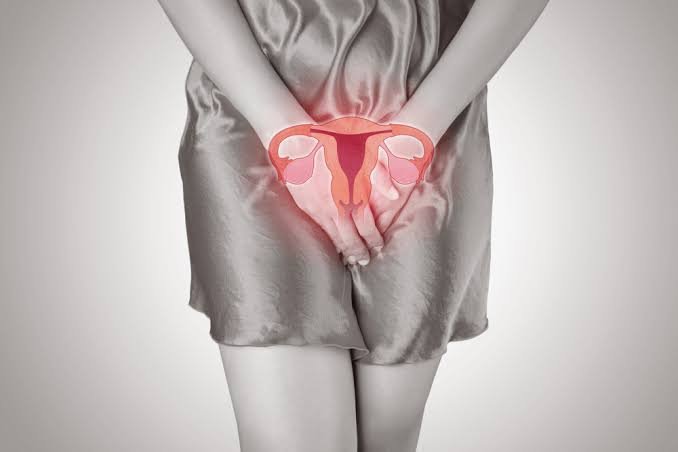
PCOS Treatment at a Glance
What is PCOS?
What are the common symptoms?
How is PCOS diagnosed?
Can PCOS be cured?
Can I get pregnant with PCOS?
What about cost?
Understanding PCOS Treatment in Kanpur
Signs You May Have PCOS
Common PCOS Symptoms
- Irregular periods, fewer than 8 a year, or cycles longer than 35 days.
- Acne, oily skin or unwanted hair on the face, chest or abdomen.
- Thinning hair or hair loss from the scalp.
- Weight gain, especially around the waist.
- Dark, velvety patches on the neck or underarms.
See a Doctor Sooner If
- No period for 3 months or heavy, prolonged bleeding.
- You have been trying to conceive for 6 to 12 months.
- Rapid weight gain, constant thirst or tiredness.
- Low mood, anxiety or poor sleep affecting daily life.
- A family history of diabetes or PCOS.
How We Diagnose PCOS
1. Consultation & History
2. Tests & Ultrasound
3. Personalised Plan
PCOS Treatment Options in Kanpur
| Treatment | What It Helps | Who It Suits |
|---|---|---|
| Lifestyle & diet | Insulin resistance, weight, cycle regularity and energy. | Almost every woman with PCOS, as the foundation of treatment. |
| Cycle-regulating medicines | Irregular periods, acne and excess hair, and protection of the uterine lining. | Women who are not trying to conceive. |
| Insulin-sensitising treatment | Blood sugar control and weight management. | Women with insulin resistance, prediabetes or high blood sugar. |
| Skin & hair treatment | Acne, hirsutism and hair thinning. | Women troubled by skin and hair symptoms, with dermatology support when needed. |
| Ovulation induction | Helps the ovaries release an egg so natural conception is possible. | Women trying to conceive who do not ovulate regularly. |
| IUI or IVF | Assisted conception when other treatment has not worked. | Couples with PCOS and additional fertility factors. |
| Counselling & emotional support | Stress, low mood, body image and sleep. | Anyone feeling overwhelmed by symptoms or long-term care. |
Trying to conceive with PCOS? Read about IVF and fertility treatment in Kanpur.
How to Choose the Best PCOS Doctor in Kanpur
Proper training
Complete evaluation
Personalised plan
Honest follow-up
Lifestyle Habits That Support PCOS Treatment
Balanced Eating
Regular Movement
Sleep & Stress
Healthy Weight
Why Choose Our PCOS Care in Kanpur
Specialist Gynaecological Care
Clear Explanations
Fertility Support
Long-Term Follow-up
PCOS Treatment FAQs
There is no single best treatment, because PCOS looks different in every woman. The most effective plan is personalised: lifestyle and diet changes, medicines to regulate periods or control acne and excess hair, insulin-sensitising treatment when needed, and ovulation induction or fertility treatment if you are trying to conceive.
PCOS cannot be cured permanently, but it can be managed very well. With the right treatment, most women see more regular periods, better skin and hair, healthier weight and blood sugar, and many conceive naturally or with simple treatment.
Doctors usually diagnose PCOS when at least two of three features are present: irregular or absent ovulation, signs of high male hormones (acne, excess hair or raised blood levels), and polycystic-appearing ovaries on ultrasound. Blood tests are done to rule out thyroid problems, high prolactin and other causes.
Yes. PCOS is a common cause of irregular ovulation, but it is also one of the most treatable. Many women conceive after lifestyle changes and ovulation-inducing medicines. If these do not work, IUI or IVF may be suggested.
For women who are overweight, losing even 5 to 10 percent of body weight can improve periods, ovulation, blood sugar and symptoms. Women with a normal weight can also have PCOS, so treatment is never based on weight alone.
No single diet suits everyone. A balanced plan with whole grains, pulses, vegetables, fruits, healthy fats and enough protein, with fewer sugary drinks, sweets and ultra-processed foods, helps control insulin. Your doctor or dietitian can tailor it to your health and food habits.
See a gynaecologist if your cycles are shorter than 21 days or longer than 35 days, you miss periods for three months, you have heavy bleeding, you notice acne, hair growth or hair thinning, or you have not conceived after 6 to 12 months of trying.
Lifestyle changes and medicines often show improvement in cycles and skin within about three to six months. Because PCOS is long-term, regular follow-up is advised to adjust treatment and monitor blood sugar, cholesterol and blood pressure.